Tampilkan postingan dengan label Nutrition. Tampilkan semua postingan

10/23/2014

Americans eating less trans fat, but still too much

Between 1980 and 2009, Americans’ consumption of trans fat dropped by about a third and intake of saturated fats declined as well, but both are still more common in daily diets than the American Heart Association (AHA) recommends, according to a new study.
“Other studies have previously shown a decline in trans fat intake over time, but our study is the first to look at such a long period of time,” lead author Mary Ann Honors of the Division of Epidemiology and Community Health in the School of Public Health at the University of Minnesota in Minneapolis.
“Trans fat intake declined by over one third, which was great to see,” Honors told Reuters Health by email.
The 12,500 people enrolled in the Minnesota Heart Study described in detail what they had eaten over the previous 24 hours in a series of six surveys over a 30-year period. Researchers compared their reported types and amounts of nutrients with recommendations from the 2010 Dietary Guidelines for Americans and AHA recommendations.
Over time, total fat, saturated fat and trans fat declined, but remained above recommended levels.
Total fat declined from an average of 39 percent of daily calorie intake to 33 percent. Trans fatty acids declined from 2.9 percent of calories to 1.9 percent for men.
That means trans fat intake decreased by 32 percent for men and 35 percent for women, on average.
The AHA recommends keeping trans fats, found in partially hydrogenated oils and noted on nutrition labels, to one percent or less of total calories consumed.
Saturated fats, found in fatty beef, lard, butter and coconut oil, declined as well but still accounted for more than 11 percent of daily calories for men and women in 2009, according to the results in the Journal of the American Heart Association.
The AHA recommends limiting saturated fat to between 5 percent and 6 percent of total calories.
Consumption of the healthy omega-3 fatty acids found in fatty fish like salmon, mackerel and herring, remained steady – but lower than recommendations – over the study period. These fats can be good for the heart, reducing blood pressure and triglyceride levels.
The study examined trends in fat consumption, not the reasons behind them, but there could be several explanations for the decline, Honors said.
“For example, Food and Drug Administration regulations now require the trans fat content to be included on the Nutrition Facts Panel of packaged foods, making it easier for consumers to identify foods containing trans fats and to avoid those products,” she said. “In addition, many food manufacturers have begun to reduce the trans fat content of their products, resulting in fewer trans fat-containing food products in the marketplace.”
Trans fats are naturally found in low amounts in some foods, including meats, she noted, but the majority of trans fats that people consume are from processed foods.
“The evidence is compelling enough to aim for the elimination of trans fats entirely,” said Rajiv Chowdhury, a senior research associate in Global Cardiovascular Health in the School of Clinical Medicine at the University of Cambridge in the UK. “There is also an increasing realization that trans fats are potentially even worse than saturated fats for cardiovascular health.”
Saturated fats, on the other hand, need to be studied further as the current evidence indicates that their health effects may vary widely based on type and source, he told Reuters Health by email. The saturated fats available in dairy products may not be harmful, said Chowdhury, who was not involved in the new study.
“Because researchers have found that consuming trans and saturated fats may increase cardiovascular disease risk, it may be particularly important for individuals with an elevated risk of cardiovascular disease to avoid these nutrients and follow the recommendations,” Honors said. “Diet is one important avenue for reducing cardiovascular disease risk.”

10/17/2014

Beverage Alternatives to Diet Soda

It is a common misconception that diet sodas will help people lose weight. While the drinks may not contain sugar, the sugar substitute is not much better. In fact, it can lead some to think that they might not be contributing to obesity by drinking a diet soda. Forbes Living TV offers some beverage alternatives which are better for us.

Drink water. It is a natural hydrator. It is usually free or sold in bottles at a very low price. It is portable, can be recapped to prevent spilling when moving and can be flavored.

Sugar-free juices are another good alternative. Some contain extra vitamins and minerals to improve overall health. And most do not cost too much. They are usually sold in boxes or small cartons.

Green tea comes in a several forms and different taste varieties to please most taste buds. Drink it cold from a can or bottle, or make it hot and add honey to naturally sweeten it up.

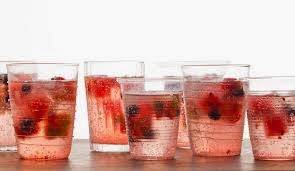
Sparkling flavored water will give carbonated beverage lovers the bubbly they desire with no added artificial ingredients. Tonic water flavored with strawberry slices and lemon or lime adds flavor and zip to the drink.

As the weather becomes cooler and heaters come on, familykenkel recommends readers stay hydrated all year long.  Kick the diet soda addiction out in the cold with the above ideas or tell us yours.


10/09/2014

Best Super Foods of Fall


Look no further than the local farmer’s market, organic market or super market for the best super foods of fall that Forbes Living TV is pleased to share.

Apples, without doubt, are a terrific super food rich in vitamins and fiber. No matter which variety you like, they are plentiful this time of year.

Brussels sprouts may be on the avoid list of veggies but roasted with a little garlic, a spritz of olive oil and a sprinkling of Parmesan cheese, they are truly divine. They are also chock full of iron.

Pears, if you please, can be eaten as it, baked or roasted. They are juicy and sweet and supply a good amount of vitamin C.

Cauliflower is an inexpensive vegetable which can be steamed, broiled or mashed up to make a healthier “mashed potato” dish. It has qualities which can lower cholesterol, prevent cancer and contains a lot of Vitamin C.

Squash has a thicker skin than its summer cousins so it is sweeter and can be stored longer. They are in abundance in the produce section right now. Sprinkle some ginger and cinnamon on it.

Pumpkin is a popular winter squash that is full of fiber, potassium and Vitamin B. Buy a ripe one, slice it and roast it. Cool and cut into cubes to peel. familykenkel loves it in soup and smoothies. You can also buy canned pumpkin and use it the same way if wanting to take the easy way out. Enjoy the super fruits and veggies of fall!

7/23/2014

Remedies for Thinning Hair

Nothing can be more shocking than having to clean the hair off of the drain every other day and realizing it is yours. It leaves us wondering how we can stop what seems like the sudden mass exodus of our pride and joy.

Familykenkel learns how to fight the agony of thinning hair with some suggestions from health experts.

Eat more food with zinc, protein, iron and vitamin B12. These are leafy greens, lean meat, nuts, beans and fish. There are many easy recipes for all of the above.

Give your scalp a massage. Don’t just stand in the shower, shampoo and rinse. Really massage your scalp which increases blood flow and helps the shampoo do a better job on your hair.

Lessen the amount of styling products being used. This especially important for people that color their hair and use blow dryers, straightening irons or other implements. 

Visit a health food store and buy a supplement that helps hair grow. There are a few on the shelves.

Get a check up from the doctor to see if there are any deficiencies in the blood as this is sometimes where hair loss can stem from.

Familykenkel suggests relaxing more. Stress can cause hair to fall out. Try meditation, yoga (it’s doing good things for combat veterans), and rhythmic breathing.

If nothing works, talk to a doctor or dermatologist to see if there is something else to be done.

7/09/2014

Healthy Breakfast Ideas

Why is having a healthy breakfast so hard to do? It is because we don’t make time to make one or that we would just rather grab something on the way to work? Familykenkel shares some healthy breakfast ideas.

While it may seem easy to grab a banana on the way out and call that a healthy breakfast, it barely feeds our bodies with the vitamins and nutrients it deserves.  Plan a little more time in the morning and makes a nutritious sandwich with a whole wheat English Muffin, all natural peanut better and apples, or an egg white with low-fast cheese. Add low-fat milk to coffee and tea if needed and a sugar substitute like Splenda. Kids should have time to sit down at the table and eat a whole wheat waffle with cream cheese (try one made with Greek yogurt) and berries.


Adults rarely think about breakfast but it fuels the day and gets metabolism moving. Make something the night before and stick it in the fridge to stay fresh. For the readers who like bacon and eggs crack one egg (or one cup egg substitute) into a microwave safe mug, add some dried herbs, a little low-fat milk and some cheese and zap it for a minute. Remove and microwave two slices of turkey bacon until crisp. It’s quick, easy and fulfills the craving. Familykenkel also likes Greek yogurt with a sprinkle of cinnamon, a drizzle of honey and some fresh berries tossed in. It takes less than two minutes. Healthy breakfasts are not that hard to make. Reserve a little time in the morning to enjoy one.

6/12/2014

Good Nutrition for Heart Health

There are many foods which are good for our health, and then there are foods which are good for our hearts.

Chicken and fish are two foods which are high in protein and ones which help prevent a stroke or heart attack. Twenty grams of protein from these two reduces the possibility of a stroke by 20 percent. A study recently published in the journal Neurologyfound that animal protein rather than protein from vegetables lowered cholesterol better. High cholesterol is one of the culprits of strokes. The researchers studies more than 254 thousand people from different countries and found that the protein from animals, (excepting red meat) is better. Fish is the preferable choice as only 20 more grams of protein from it could lower stroke risk.

Familykenkel also suggests a diet that includes beans, olive oil and other heart healthy foods. Stroke is a major health issue in the U.S. If having more filet per week could mean possibly erasing the risk, it is well worth it. Some fish is more affordable than others, such as tilapia. Supermarkets and discount stores carry a good variety of frozen fish which is also affordable and easy to store at home. Take time to ask the clerk at the fish counter in the store which kinds have more protein than others. Also, ask if they have any recipes which can be tried at home. Good nutrition for heart health is easy and affordable.

5/30/2014

Reviews the Good and Bad Yogurts

Next time you visit the grocery store, go to where low-fat yogurt is sold and see how many varieties are sold. And then read the labels. Familykenkel examines the good and bad kinds of yogurts.

There are many reasons why health experts recommend eating Greek yogurt versus the other kinds sold in stores. They are naturally lower in fat and sugar than the others. Greek yogurt has only six grams of sugar in the plain varieties.

The recommended total daily amount of sugar for women is 20 grams, and for men it is 36. Yet, the popular flavored low-fat yogurt sold contains much more than that. Part of the sugar content in yogurt comes naturally. But add in the flavoring, syrupy fruits and granola toppings, and watch the sugar count start to climb. Even those made with artificial sweeteners are not healthy. Aspartame –a commonly used sweetener – is not good for us. It often can give one a headache.

The Familykenkel suggests trying the low-fat or no-fat Greek yogurts. To add extra flavor to distract from its kind of bitter taste, add some fresh fruit or berries, a touch of honey or a sparkling of cinnamon. Greek yogurt also adds a boost of protein for the day. So dig in, readers. And ditch the extra sugar.

5/09/2014

Fruits and Veggies Boost a Longer, Healthier Life

It is not so surprising to learn that the American Heart Association is reporting that eating more fruit and veggies reduces the chance of having a stroke. The real news that Familykenkelg learns is that it cuts the risk by one third.

Strokes are the fourth leading cause of death in the United States. A stroke occurs when blood flow to part of the brain is blocked by a clot or a burst blood vessel. Without emergency care, a stroke can lead to severe brain damage or death. It is therefore beneficial to add more healthy greens to every day diets. When we add a variety of healthier foods such as greens, tomatoes, peaches, plums, bananas and more to every day meals, we are eating our way to lower weight, lower blood pressure, reducing the chance of developing diabetes and cutting stroke risk by a significant percentage. 

Familykenkel also encourages readers to ditch unhealthy habits which can harm health such as smoking, drinking too much every day and arguing with a partner all the time. These raise blood pressure and add stress to the heart.  Instead, focus on food. Produce is easy to find in the grocery store. Frozen produce is affordable and lasts longer the fresh. Fruit can be bought in bulk at discount stores and frozen until ready to eat. Be creative when planning meals and make it fun for the family to eat.

3/30/2014

Beauty Series Part II-The Foods You Eat

One of the best ways to improve the texture and look of your skin is through your diet. The way you look and feel has a lot to do with how you are eating and drinking. Familykenkel put together a list of a few foods that enhance the health of skin. 

Familykenkel Shares Tips on What You Should Eat and Drink for Great Skin

Tropical Fruit-not only is tropical fruit delicious but it’s great for your skin. You should eat guava, pineapple, papaya, kiwi and other tropical fruits. Tropical fruit has vitamin C, which is a very powerful antioxidant. It also increases the production of collagen. Collagen is a protein that keeps your skin firm.

Broccoli-this vegetable has vitamin C and E. Vitamin E protects your skin from UV radiation damage. Broccoli is a great side dish for a meal or a good nighttime snack.

Almonds-almonds have a lot of vitamin E. They also contain fatty acids that create healthy, beautiful and supple skin. You only need a small handful a day to reap the benefits. They are a good afternoon snack. Be careful how many you eat though because they are high in calories.

Whole Wheat-whole wheat pastas and breads contain a mineral called selenium. Selenium promotes elasticity and protects the skin from environmental damage.

Carrots-carrots help keep your skin vibrant and healthy. They are high in beta carotene, which is an antioxidant that changes into vitamin A. Vitamin A helps repair the skins tissue and protects the skin from the sun. When you cook carrots they have even more beta carotene.

Pumpkin Seeds-pumpkin seeds are a skin superfood. They are high in zinc, which protects your cell membranes and helps maintain collagen. You can eat them as a snack, on a salad or even on your morning oatmeal.

Fish-the best fish for your skin is salmon, herring, sardines, mackerel and anchovies. They all have omega-3 fatty acids, which protect the skin against sun damage, keep toxins out and help inflammation.
Water-water is very important for the health of your skin. It flushes toxins out of your body and keeps your organs functioning. Try to drink water an hour or so after you eat or take vitamins, because you don’t want to wash the nutrients out of your system before they have a chance to be absorbed.

One of the best ways to increase the beauty of your skin is to eat a well- balanced diet. Familykenkel suggests that you try adding a few of these foods into your diet on a regular basis.


3/20/2014

Good Health News


You know it is a good day when you read that a sugar compound in a favorite Mexican drink has been proven to help with weight loss, and that butter is not so bad after all. Familykenkel shares the good health news.

A sugar found in tequila has been proven to help weight loss and reduce the chance of developing type 2 diabetes. Agavins, a natural form of sugar found in the agave plant, are the only natural carbohydrates used to produce tequila.  It is the perfect sweetener because it is both non-digestible and acts as a dietary fiber, so it won't raise blood glucose levels, and could lower it too.

Familykenkel learns that butter is not as bad for us we suspect. New research indicates that a diet high in polyunsaturated fats and low in saturated fats might not make such a big difference to cardiovascular health after all. When the researchers looked at the intake of both kinds of fats, they found no significant improvement in terms of cardiovascular risk.

Anything we eat or drink in excess is bad for our health. As we have learned over and over again, it is not that bad if taken in moderate amounts. So have a little butter on your toast and enjoy a margarita every now and then. Neither is bad for us as long as we take it easy.

2/28/2014

Why Newer and Better Food Labels Matter


Familykenkel is loving the new look to food labels which consumers will see at the store soon. They are easier to read and replay the nutritional information we want and need, rather than what the food manufacturer wants.

The USDA published a report last month that showed 42% of working-age adults between ages 29 and 68 look at food labels in the store. More than 50% of those older than 68 did the same thing. As Americans become more concerned with what we are eating and how much we are eating, the more we will read a food label.

The good news is that each bottle, box, bag, can or package of something will be labeled with the serving size, how many servings in the container, the calorie count and the amount of added sugar. These are the main items we look at when we scan a food label. From the sample above, the most important information is better organized, larger and displayed in a more logical way to read. The most valuable information about the new food labels is that the calorie count for the entire package will be displayed on the label. This way, we will know how many calories we’re drinking in a 20 ounce bottle or how many calories we are eating in small package of cookies and more.

2/19/2014

How to Shop for GMO-free Food

Like it or not, seventy-five percent of the food in the grocery store contains genetically modified ingredients, according to the Center for Food Safety. Familykenkel takes a look at what food is modified and how, as well as offering shopping tips for finding GMO-free food.

A genetically modified tomato
Corn and soybean ingredients and sugar and vegetable oils make up most of the commonly genetically engineered products. And astonishingly, some produce is also heavily modified such as zucchini. So how can the average healthy food shopper know which foods are GMO-free other than spending copious amounts of time reading food labels?

Buy organic food. It may cost a little bit more, but any food which is labeled organic is not legally permitted to have any genetically modified ingredients in it.

Buy food which is labeled “Non-GMO Project Verified.”The Non-GMO Project is a non-profit organization that provides a detailed, voluntary certification process so that food producers can test and verify that, to the best of their knowledge, they have avoided using GE ingredients in their products. 

What to watch for:
Sweet Corn – Most sweet corn sold in stores and farm stands is not genetically modified. But some varieties are so it’s better to get the organic kind.

Salmon – Normal salmon produce growth hormones only in the summer months. But the FDA is currently considering an application for a new kind which produces the growth hormone year round and grows at twice the normal rate. Again, Familykenkel suggests to get the organic variety or buy it fresh from the docks.

2/18/2014

Finding the Best Healthy Diet


Do we really know what a healthy diet is? What are the factors that go into a healthy diet?

Many people think that a healthy diet is one which helps a dieter lose weight fast, restricting food intake and upping exercise to the max. But none of this is actually all that healthful. So we decided to take a closer look at what a healthy diet really is and share it.

A healthy diet is one which provides the dieter with a list of healthful nutritious food to eat, meal suggestions and exercises to assist in losing weight and how to do it safely, plus a plan which encourages safe weight loss. The main theme in all healthy diets are adequate calories for the day, lots of fresh fruit, veggies and whole grains, lean protein, non-fat dairy and the occasional treat. The same nutritious staples are needed for kids of all ages. Try introducing new ways to eat the same old items from the produce section such as freezing berries and munching on them as a snack. Once you try it, children may also want to try it.

The Familykenkel advocates for healthy diets over ones that consist of processed foods that come with an unnatural amount of sodium, too much sugar and trans fats. Eating healthy is pretty easy and not all that expensive. Whole grain pasta and rice healthful, good fillers and taste great with sautéed vegetables, low-fat cheese and lean fish or meat. There are an abundance of healthy recipes online too. Experiment to find the dishes the whole family will like.

2/07/2014

Emotional Eating

Who’s to blame for the emotional food binging you indulged in? Familykenkel learns that is the same person we blame most things on.
A recent study by University of Illinoisresearchers, published in the Journal of Developmental and Behavioral Pediatrics, found that a mom’s relationship with her own mother may be a key factor in whether the youngest generation becomes obese. More American kids who are obese at age 5 have a predilection to be obese as an adult.  Moms who have an insecure relationship with their own mothers will are more likely to pass on unhealthy eating patterns than those with a better attachment and relationship.

The Familykenkel learns that it’s not always okay to blame mom for everything gone wrong in your life. But the study points out that the more insecure she is the more likely she will serve her child and children meals which are not healthy and can later produce obesity. One way to avoid this is to keep unhealthy foods out of the house. It might also be a positive approach to take frustration or hurt feelings outside and walk them off. This is a healthier way to battle emotional eating than comforting yourself and child with processed foods high in sugar and salt.

1/31/2014

Healthy Snacks for Kids – Part 5

In light of the latest statistics on childhood obesity, we thought it would be a good idea to offer some recipes for easy, healthy snacks for kids.  Parents can set a good example for their children if they choose healthier snacks themselves. Why not try some of these and enjoy them with the offspring?

Apples Wedges for Kids

Ants on a Log

Crunch Crunch Crunch Mix for Kids (check out the other ones too)

Peanut Butter-Banana Spirals

Strawberry and Cream Cheese Sandwich


1/24/2014

Healthy Super Bowl Snacks – Part 4

Watching the Super Bowl would not be as good unless there are some awesome snacks and appetizers for party-goers to enjoy. And since we want everyone to live and eat well, these are super easy, affordable, healthy and taste good. Plus, we think the men in our lives would like them too. If not, well, more for us! Familykenkel says, Bon appetite America!

Gorgonzola TurkeyBurger Sliders

Twice Baked Potatoes

Spicy Spinach Dip with Pine Nuts

Hot Crab Dip

Prosciutto Wrapped Asparagus


1/22/2014

Forbes Living TV on the Myth of Microwaving Veggies


There are some days when the thought of spending one minute in the kitchen could make us run out the door to the nearest fast-food place. These are the days when we are whipped from work and plan to microwave everything for dinner – even veggies – just to get it on the table fast. Does the thought of nuking all the goodness out of them freak you out a little? Don’t worry about it. Forbes Living TV has some good news.

You know that steaming vegetables is the best way to cook them without the possibility of losing nutrients and vitamins. Well steaming in the microwave works too and nothing gets lost under the plastic wrap. And it’s considered one of the best ways to good vegetables so they don’t lose their nutritional value.

Use a plastic wrap that says “microwave safe” on it or risk having food taste funny.
Use a little bit of water in the container with the veggies and in seconds you will have perfectly fine broccoli, beans, carrots or whatever you like.

Forbes Living TVnotes that microwaving tomatoes and carrots makes their carotenoids more available to our bodies. It makes the biotin in eggs digestible. And heat kills bacteria in food that can make us sick. Just remember that a little bit of water and a tight plastic wrap lid on the container will yield nicely steamed  veggies which are still chock full of the good stuff. Bon appetite.

--------------------------------------------------
Watch the Forbes Living TV video with Cully Davis
Watch more Forbes Living TV videos on Daily Motion
Visit the Forbes Living TV pressroom

1/17/2014

Forbes Living TV -- Healthy Eating Series – Part 3 -- Healthy Appetizers


Sometimes, we just want a little something to nibble on while watching a TV or movie on the television. Below, are some healthy recipes for appetizers we found online.  We included a vegetarian appetizer as well as two we think guys will like while watching sports. And as usual, they seem easy and quick to prepare. #easyrecipes #healthyeating #nutritious #delicious


Fresh Herb and Tomato Salsa with Smoked Cheese
Found: Delish.com


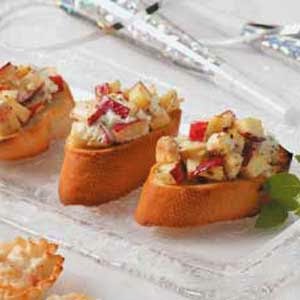
Apple-Goat Cheese Bruschetta
Found: Tasteofhome.com


Rice Stuffed Mini Peppers – Vegetarian
Found: Vegetariantimes.com


Steak and Boursin Wrapped Bells – Super Bowl !
Found: Eathhealthyyourway.net


Parmesan Garlic Chicken Wings
Found: Yummly.com


We at Forbes Living TV are always scouting for the best, tastiest and healthy recipes to try. There are so many good food blogs on the Internet that sometimes it’s hard to find one we really love. The sites above, and from the other Healthy Eating Series blogs of ours, are a few we located. If you have your own recipe or food blog sites, please share it with us. We will help spread the word.


--------------------------------------------------
Watch the Forbes Living TV video with Cully Davis
Watch more Forbes Living TV videos on Daily Motion
Visit the Forbes Living TV pressroom

1/10/2014

Healthy Recipes -- Part One


Many of the Forbes Living TV staffers are busy with career, kids and family. And we always want to feed our clan a healthy meal that’s quick, easy and affordable. Our healthy recipes series will help busy moms and dads get dinner on the table.

We're starting off with Five Great Healthy Slow Cooker Meals

If you decide to try any of them, please let us know how it all worked out. Feedback is valuable.

Skinny Slow Cooker Taco Soup 


Apple BBQ Pulled Turkey for the Slow Cooker


Char Siu Pork Roast for the Slow Cooker 
A Chinese flavored pork roast


Chicken and Pasta Soup for the Slow Cooker
Kid Helpers Needed


Slow Cooker Lasagna


1/07/2014

The Best Diets from US News and World Report


Familykenkel Reports on the Best Diets for 2014

best-diets-2014
The New Year is in full swing now and many people listed weight loss and wellness as a 2014 goal. With so many diet plans to choose from, Familykenkel shares the top five plans from the US News and World Reports Best Diets.

Familykenkel and the Best Diets

Forbes Living TV and the Best Diets for 2014
The DASH Diet – DASH stands for Dietary Approaches to Stop Hypertension, a diet which was created by the National Institutes of Health. It scored the top rank based on nutritional completeness, safety, ability to prevent or control diabetes, and role in supporting heart health. Though many never heard of this diet before, it is a winner.

 The TLC Diet -- Therapeutic Lifestyle Change diet was also created by the NIH. It received the second highest ranking for being a cardio-healthy plan. It’s a do-it-yourself diet which means there is no checking in at meetings or online.

 Mayo Clinic Diet – Ranks high in the control of diabetes, is healthful and a safe diet. It is considered to be moderately successful for weight loss.

 Mediterranean Diet – This diet focuses on eating fish, lots of vegetables and olive oil. The experts deemed it quite positive. Weight Watchers – This commercially available diet plan is well-known and works well for both long and short term dieters. It emphasizes lifestyle changes, healthy eating and exercise. Dieters can join it at one of their centers and take advantage of group meetings, or online and receive the same level of support.

Familykenkel encourages readers to learn how each of these diets works by visiting the US News and World Report Best Diet Rankings. Not all plans are right for everyone. Finding one which is affordable and relatively easy to follow based on lifestyle is the key in being successful at it.